Fast & affordable landlord insurance in Rhode Island
Landlord insurance in Rhode Island protects rental property owners from property damage, liability exposure, and lost rental income. Coverage levels and pricing vary depending on property characteristics. Get a quote for Rhode Island landlord insurance designed for rental properties.


We've gotten more than $11 million in property insured in Rhode Island


What to know about rental properties in Rhode Island
Rhode Island is the smallest state, but its rental market is more active than its size suggests. Providence, Warwick, Cranston, and Pawtucket all have strong rental demand, and about 38% of households rent statewide. The state's proximity to Boston and its university population keep demand consistent.
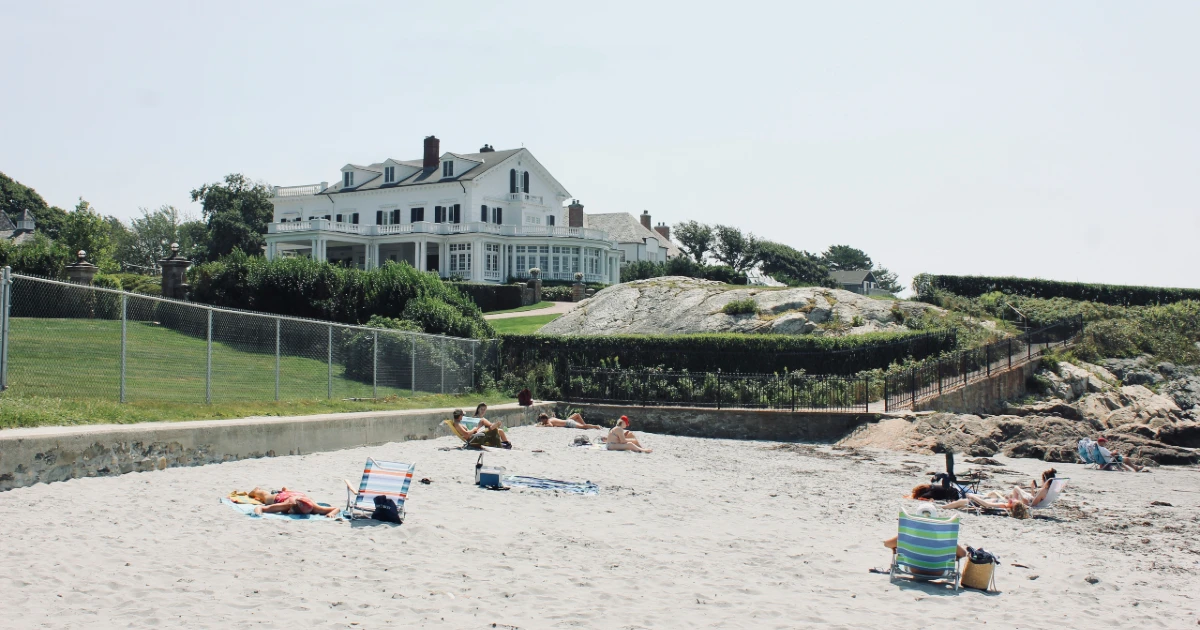
Property values have risen in recent years, making insurance more important as the financial stakes of ownership increase. The beach areas of Jamestown, Westerly and Block Island are among the most expensive stretches of land in the country, while the northern and central parts of the state are more affordable.
Most of Rhode Island's rental housing stock is old; a significant share of properties in Providence and the surrounding cities date to the early and mid 20th century, which means maintenance costs run higher and structural issues come up more often than in newer markets. That's worth keeping in mind when thinking about coverage limits, since replacement costs on older construction don't always match what landlords expect.
Landlord-tenant laws in Rhode Island are fairly balanced. There is no state-wide rent control, but some notable tenant protections, including limiting security deposits to one month's rent.
How landlord insurance works in Rhode Island
Landlord insurance through Steadily in Rhode Island provides dwelling, liability, and loss of rent coverage for rental properties. A homeowners policy doesn't extend to properties you're renting to tenants.
Here's what a landlord policy includes:
- Dwelling coverage protecting the structure from fire, wind, storms, and other covered perils
- Liability coverage covers legal fees in the case of claims or lawsuits, especially valuable in Rhode Island's tenant-friendly legal environment
- Loss of rent coverage replaces income if the property is uninhabitable during repairs.
Coastal properties should be evaluated for adequate windstorm coverage and named-storm deductible structures.
Rhode Island's regulatory environment mandates specific compliance standards for rental properties, including lead paint disclosure requirements for pre-1978 construction – which represents approximately 70% of the state's housing stock – alongside winterization protocols that landlords must implement to prevent freeze-related damage during the heating season.
.jpg)
Learn more on YouTube:

Do you need landlord insurance in Rhode Island?
Rhode Island's dense housing stock, coastal exposure, and tenant-friendly laws create a meaningful risk profile for landlords. A nor'easter that damages the roof, a liability claim from a tenant fall, or storm damage to a coastal property can all generate costs that far exceed the annual premium.
Weather-related claims represent the primary loss driver across the state's rental market. Winter weather patterns regularly produce ice dam formation on older roofing systems. The state experiences an average of 2-3 significant nor'easters annually, with wind speeds frequently exceeding 60 mph during peak storm events.
Rhode Island's housing court is tenant-friendly, and landlords here carry real liability exposure. The state places meaningful obligations on property owners around habitability and maintenance, and a tenant injury claim — whether it results from a structural failure, an icy walkway, or a maintenance issue that wasn't addressed quickly enough — can become a costly legal matter fast. Liability coverage isn't a hedge against unlikely scenarios in Rhode Island; it's protection against a legal environment where claims are taken seriously.
In short, landlord insurance is essential for a thriving rental business.
Average cost of landlord insurance in Rhode Island
Rhode Island carries a median landlord insurance premium of $2,510 per year, one of the highest averages in the country. This figure that reflects the compounding factors common to southern New England: old housing stock, high construction replacement costs, coastal exposure for many properties, and a relatively complex liability environment.
It's worth noting that the exact location of your property will matter quite a bit in determining your premium; Rhode Island may be small, but premiums can vary significantly from coastal areas like Newport and Westerly to inland communities like Providence and Woonsocket. Your property type, its age, and condition will also determine where your actual premium lands relative to the median.
To get a quote on your rental property, all you need to do is enter your address and some other quick details below. Quotes are completely free and will be sent to your email within minutes.

DP-1 vs DP-3 comparison for Rhode Island
Feature
DP-1


DP-3
Properties we look after
We make it easy to get landlord insurance for many types of properties
We also help AirBNBs, VRBOS, and other rental properties
.webp)
.webp)
.webp)
.webp)
.webp)
Coverages
We cover a wide range of risks, or you can choose a limited set of coverages for a lower premium

Riot & civil commotion
Yes. Steadily’s landlord insurance covers property damage from riots and civil commotion — broken windows, structural fires, looted common areas — so the repair costs don’t fall entirely on you. Documentation connecting the damage to the civil unrest is required.

Vandalism & burglary
Yes. Steadily covers malicious damage to your rental from vandalism and break-ins — broken doors and windows, defaced surfaces, damaged fixtures and appliances. A police report is typically required to file the claim.

Loss of rent
Yes, when a covered event makes the unit temporarily uninhabitable. Steadily’s loss of rent coverage replaces the income you’d lose while repairs are underway — whether the cause is a fire, a burst pipe, or storm damage.

Storm and hail
Yes. Steadily covers storm and hail damage to the structure — roof punctures, broken windows, wind-torn siding, fallen debris — plus lost rental income when the damage is bad enough to displace tenants.

Water
Yes, for sudden events — burst pipes, plumbing failures, appliance overflow. Steadily covers the structural repairs and lost rental income if the unit can’t be occupied while the work is done. Flood damage from rising water requires a separate policy.

Legal liability
Yes. If a tenant or visitor is injured at your rental and sues, Steadily covers the medical bills, attorney fees, and any settlement or judgment — up to your policy’s liability limits.

Fire
Yes — Steadily covers structural fire damage, smoke damage, personal property you own at the unit, and lost rental income while repairs are underway. That includes fires started in the kitchen, by the wiring, by a tenant, or by a wildfire nearby.
FAQs
about landlord insurance in
Rhode Island
Is landlord insurance legally required in Rhode Island?
Rhode Island doesn't have a law requiring landlord insurance. Mortgage lenders require coverage, however, and the cost of going uninsured in such an expensive market would leave landlords exposed to catastrophic losses. Rhode Island ranks as one of the most expensive states in the country for landlord insurance premiums, driven by high property values, dense housing stock, and elevated claims frequency.
Can a landlord require renters insurance in Rhode Island?
Rhode Island landlords can include a renters insurance requirement in the lease. It's a straightforward addition that benefits both parties and is increasingly common across the state's rental market.
What does landlord insurance cover that homeowners insurance doesn't in Rhode Island?
Homeowners insurance is designed for a property you live in personally. A landlord policy covers the specific risks that come with having tenants — including liability when a tenant or guest is injured, loss of rental income during repairs, and property damage from tenant-caused incidents. Using a homeowners policy on a rental property in Rhode Island is risky because your insurer can deny a claim if they determine the property is tenant-occupied and the policy doesn't reflect that use.


Get coverage in minutes
No hidden cancellation fees. Competitive rates nationwide.